Tag: protest

Amid federal crackdown on free speech, Duke professor and Iranian dissident Mohsen Kadivar remains vocal

Criticizing the repressive Islamic Republic, he is against U.S. military action in Iran. The Islamic Republic of Iran failed, but liberal democracy in the U.S. and Europe failed in the same way. There is no international law, no ethics. As the Iranian Constitution was violated, the U.S. Constitution was violated too. I’m supporting justice, freedom, and peace for the world, for the U.S., for Iran, for Palestine, and everywhere. I’m a global citizen. I belong to humanity. The only thing I want is to have a better, more peaceful world.

“We don’t need a Supreme Leader”

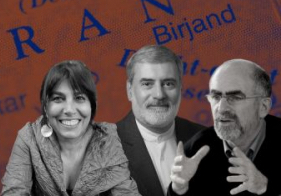
Kadivar evaluates the future of Iran, characterizing the current authoritarian theocratic regime as a failing state that has lost its popular legitimacy. While he acknowledges the government’s continued resilience against immediate collapse, he argues that ‘systemic reform’ or a transition to a secular democratic republic is essential for the nation’s survival. Condemning any foreign aggressions, Kadivar emphasizes that the recent illegal Israel-US attacks have temporarily bolstered Iranian nationalism, while true stability requires the abolition of the Supreme Leader’s office. A national referendum allows citizens to choose between various political models.

In support of Protests in Iran

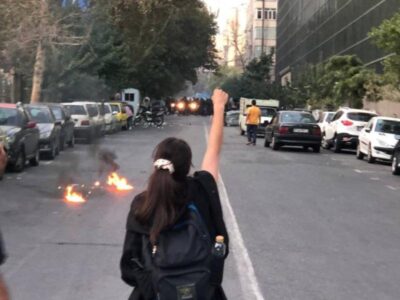
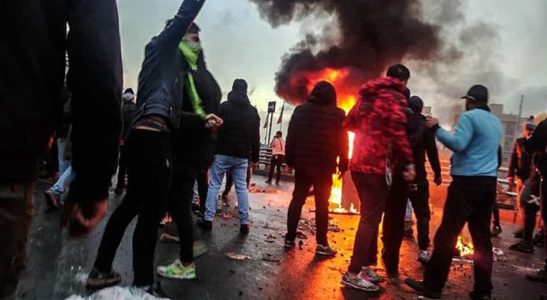
This is the fourth big protest since 2019 in Iran. Iranians are outraged with grievances that won’t soon go away. This is not only about freedom for women (especially their hair covering), but freedom for the country from the ruling of the minority over the majority, freedom of a style of life, against the mandatory style of life. The majority of Iranians support a democratic, secular regime. The government blocked all the ways of reforms. There’s no way for the people, except to come to the streets and protest.

Listen to the Voices of Protesting Iran

This country-wide revolt is against not only the brutal murder of Mahsa but also the essence of the so-called Islamic regime. The demand is loud and clear: an end to a theocratic regime whose multi-faceted violence against marginalized bodies is manifested in Mahsa’s death. Protestors are chanting “women, life, freedom.” Creating and sustaining such a continuum requires recognition of the intersectional struggles that women and other marginalized bodies are experiencing in countries such as Iran and under the current Islamic theocracy. We insist on a queer-feminist, anti-capitalist, and anti-fascist agenda.